

Compass Dispatch: Stuffed Polar Bears and Sundried Brains
Sarah wasn't defeated by the Pyrenees. Jeremiah will not be defeated by his deadline. Probably.

Forgive us, fellow navigators, if you’ve noticed a slight lapse in our correspondence. It turns out finishing a book with a publisher breathing down your neck really doesn’t leave much time for anything else – including sleeping and eating. Jeremiah’s brain currently resembles a sundried tomato, apparently.
Let’s stay with that image for a second, but imbue it with a more pleasing idea: Spanish tapas. Sarah recently returned from a short trip to Cadaqués – a location which elicited one response every time she mentioned it: “Sorry where? In Spain? Never heard of it.”
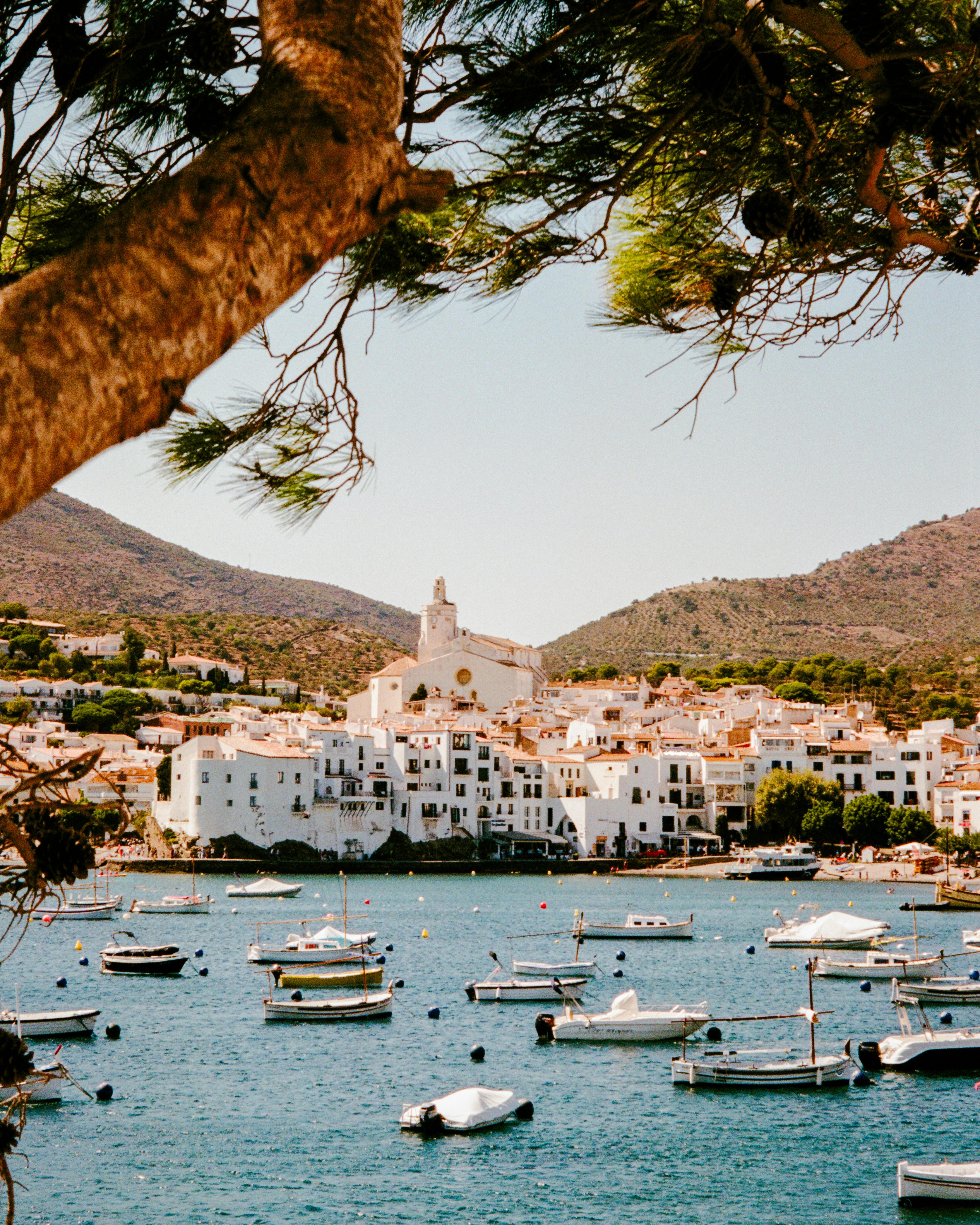
Which is fair enough given its size (population: 2,900) and relative obscurity compared to nearby Barcelona. However, what Cadaqués lacks in outrageously underperforming church construction projects, it makes up for in sheer beauty – and when it comes to zany artists, essentially told the Catalan capital: “Hold my cerveza”.
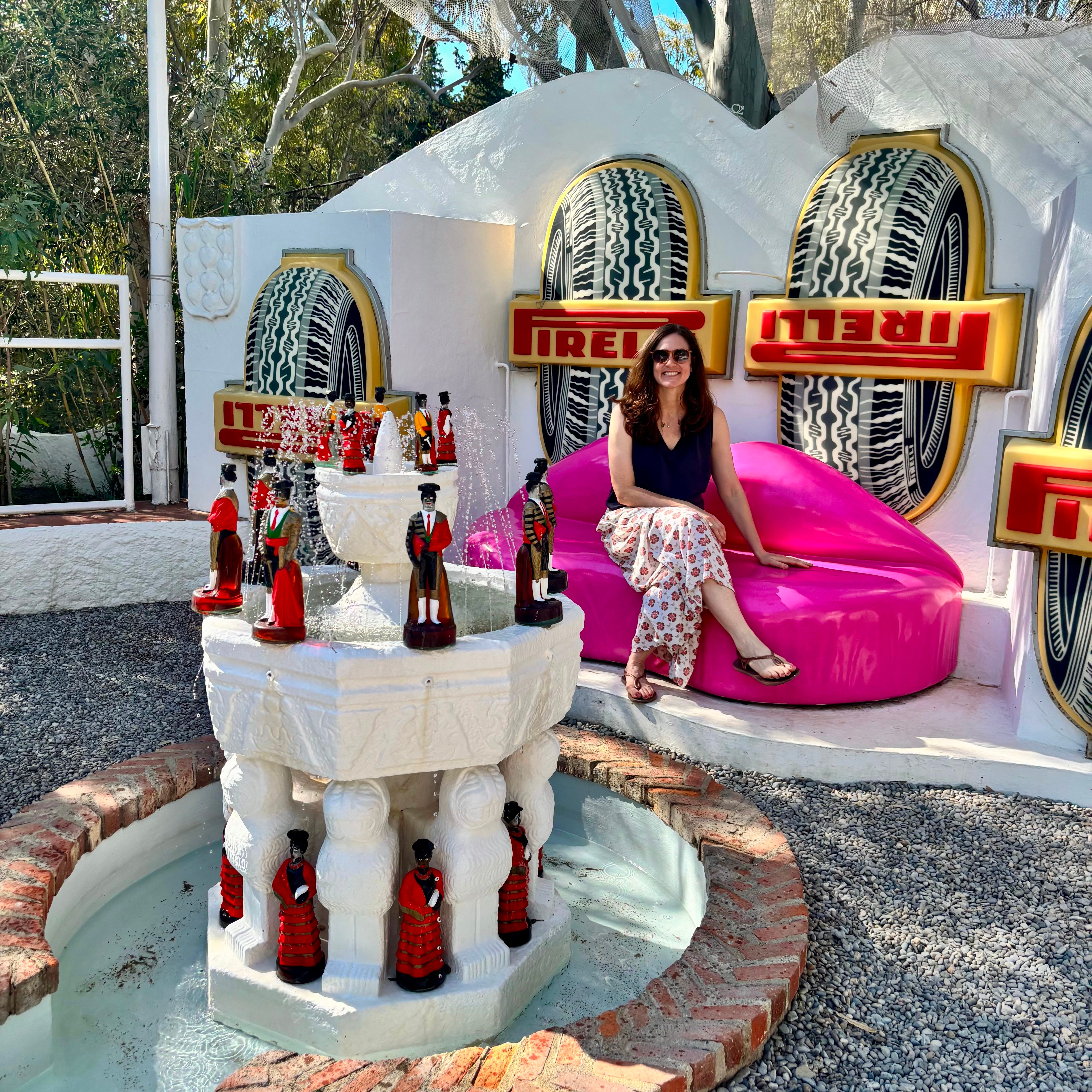
That’s because Cadaqués was home to Salvador Dali for over 40 years, inspired almost all of his work, and remains the part of the world most associated with him. Born in nearby Figueres, he moved to the tiny village of Portlligat (technically adjacent to Cadaqués) in the 1930s, and began doing up a fisherman’s hut there, gradually adding and expanding rooms until it became the rather grand house it is today.
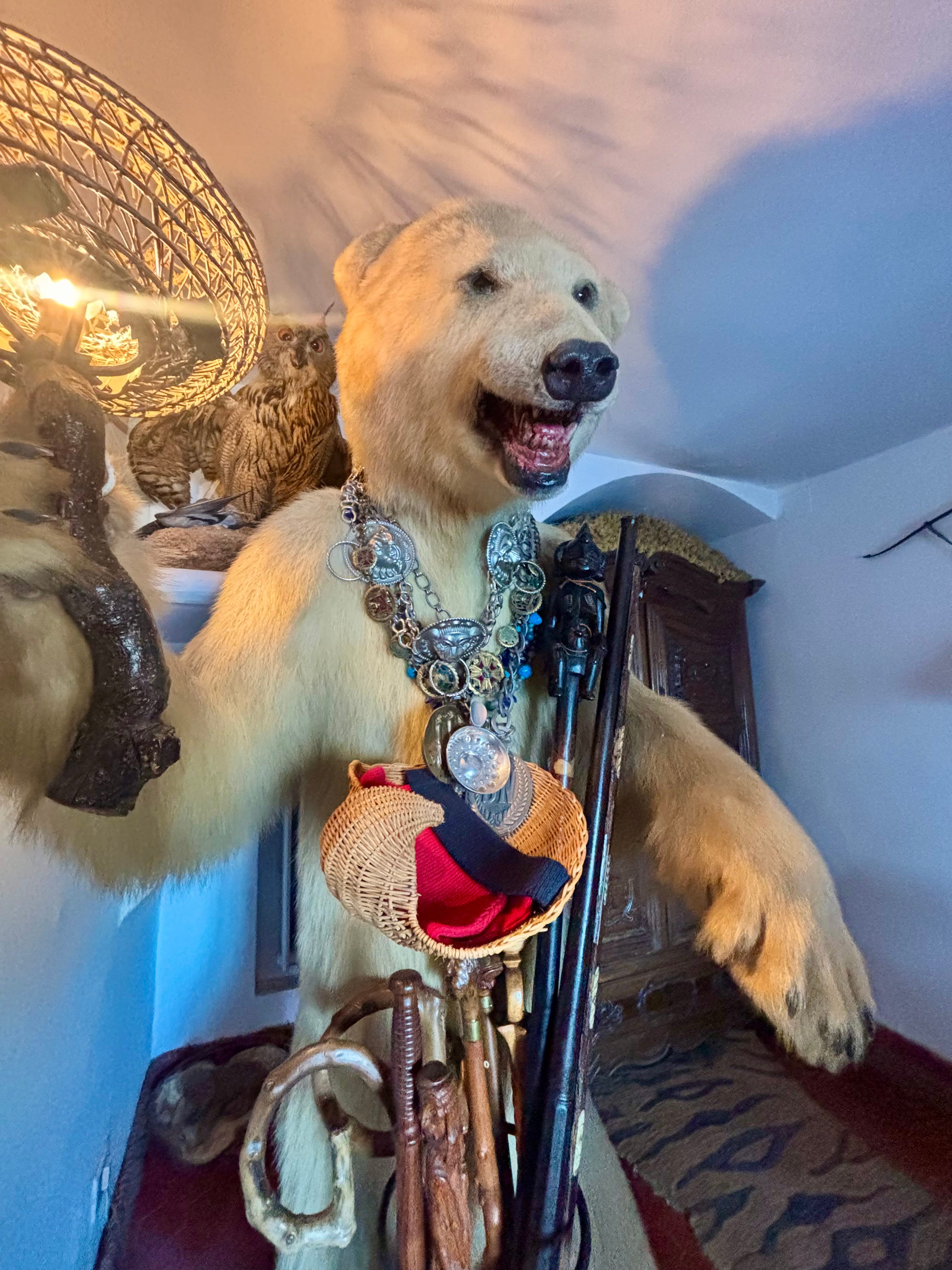
Knowing full well what Dali’s driving aesthetic was, you may or may not be able to imagine the home he created. It might best be described as a feast for the senses – except one made up of those dead quails you see people eating in period dramas.
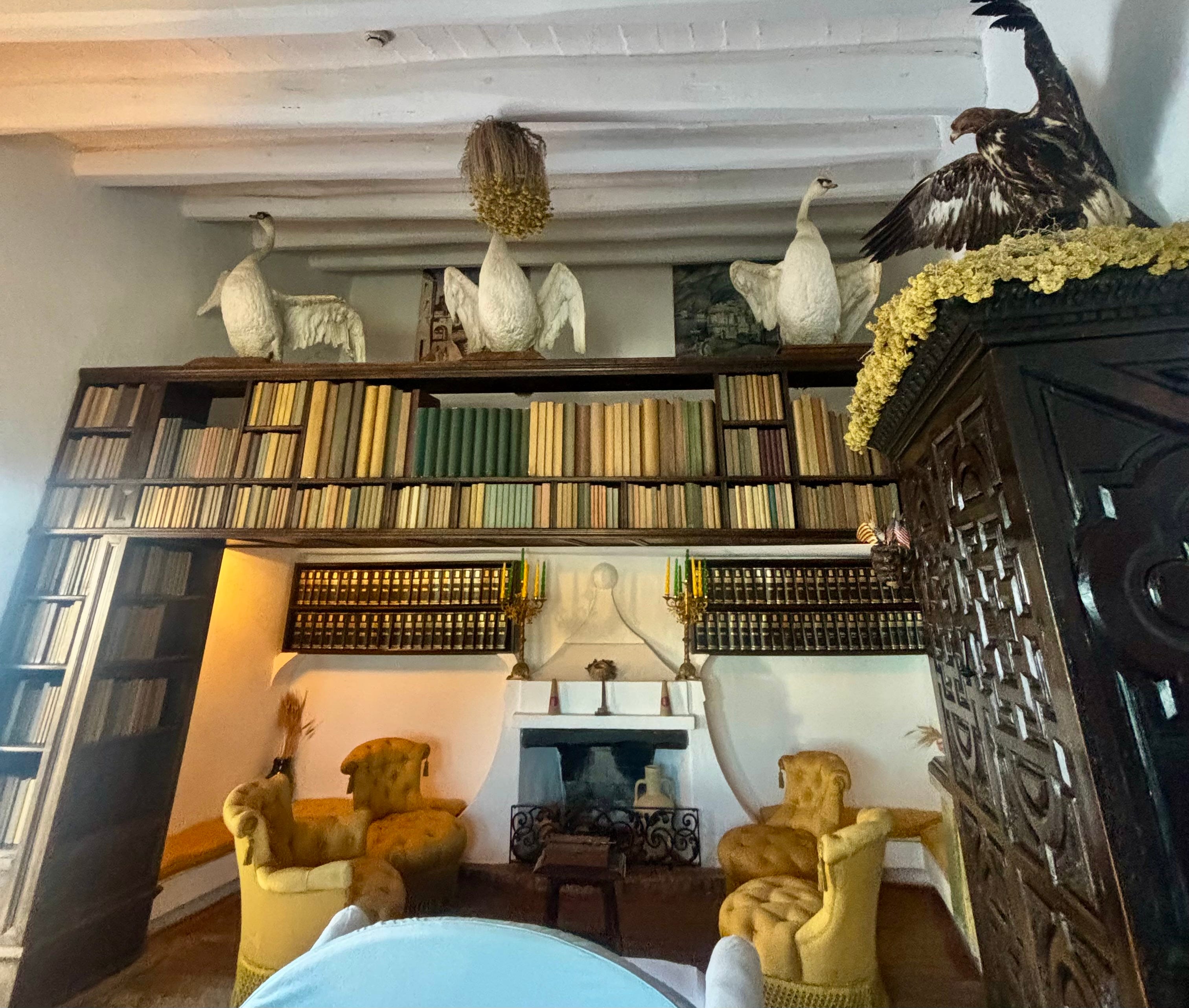
It’s all deeply unsettling in a “fascist folly” kind of a way. In fact, it reminded your correspondent of a sort of seaside Eagle’s Nest – if Hitler had been replaced by a man with an even more eccentric moustache who was frightened of grasshoppers rather than dentists.
Let’s just say it’s giving “thanks, but no thanks”.
Much more pleasing is the museum dedicated to him in Figueres, about an hour’s winding drive over the foothills of the Pyrenees – the mountains responsible for keeping Cadaqués secluded for so long (and Sarah reaching for a sick bag).
Housed in a former municipal theatre that spent 35 years as a bombed-out ruin after the Spanish Civil War, today it is a tourist-ridden physical embodiment of Dalí's audacity.
In the 1960s, when the mayor of Figueres asked old Sally D if he’d donate one of his artworks to the town’s local museum, the artist was offended by his lack of ambition. In a move that puts even Donald Trump’s self-aggrandising to shame, he essentially said “why display a single artwork when you could build an entire museum dedicated to me while I’m still alive?”. And if you think that’s an exaggeration, here’s the exact quote: “In this museum you will not only find most of my work, but also the entirety of my genius.”
However, in addition to the surrealist clocks and creepy faded mannequins you’d expect in a venue dedicated to Dali’s eccentricities, you’ll also find floor after floor of wonderful paintings and sketches so varied in style and so technically perfect that honestly, you can’t fail to be deeply impressed.**
Sarah’s top tips for Cadaqués
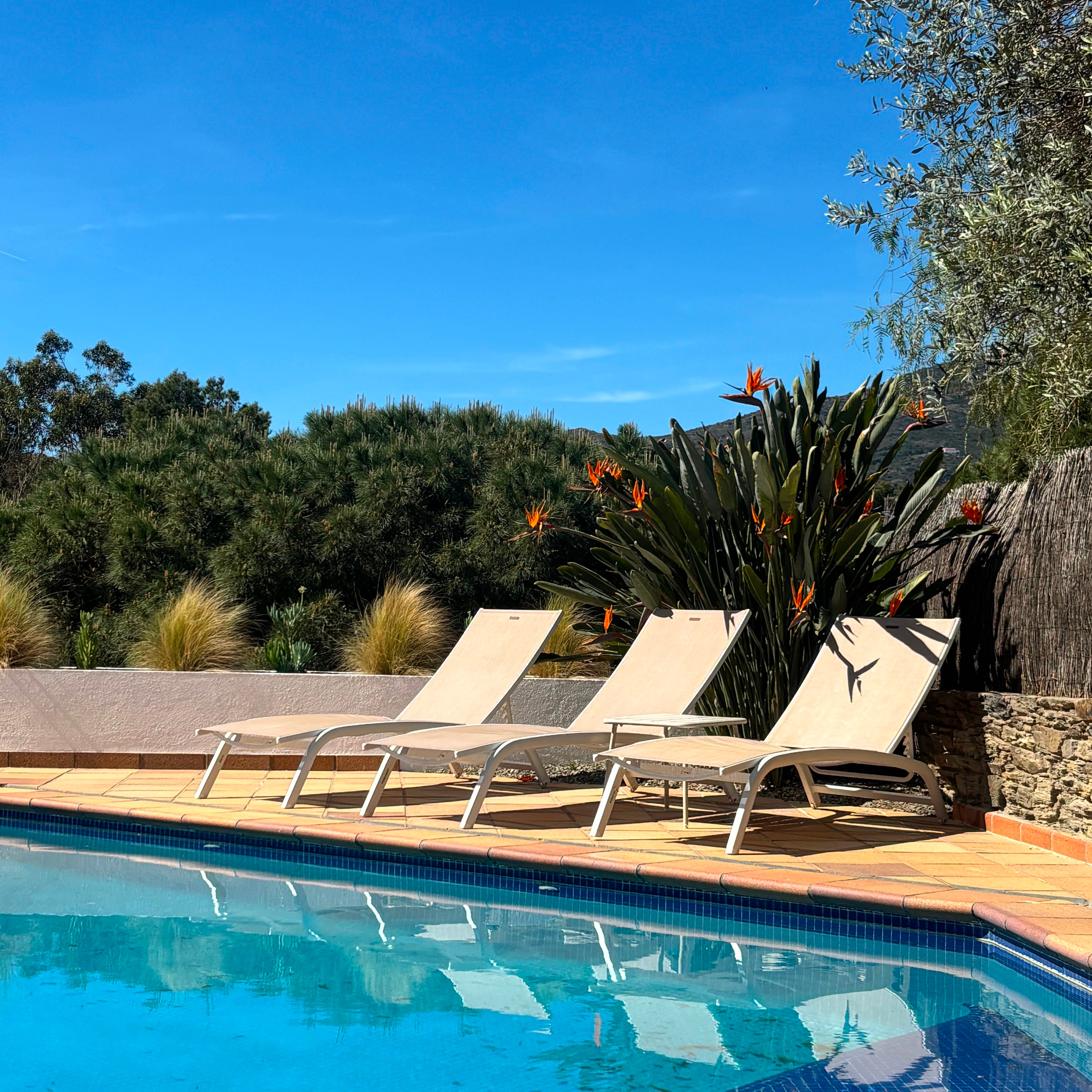
An excellent place to stay is Hotel Blaumar in the Bay of Cadaques, a gorgeous and reasonably priced boutique outfit that echoes the aesthetic of the surrounding fishing village and throws in a dash of modern surrealist art (naturally). The same company also runs the more high-end Villa Salvador. It’s further from the action but perfect if you want secluded sandy beach access.
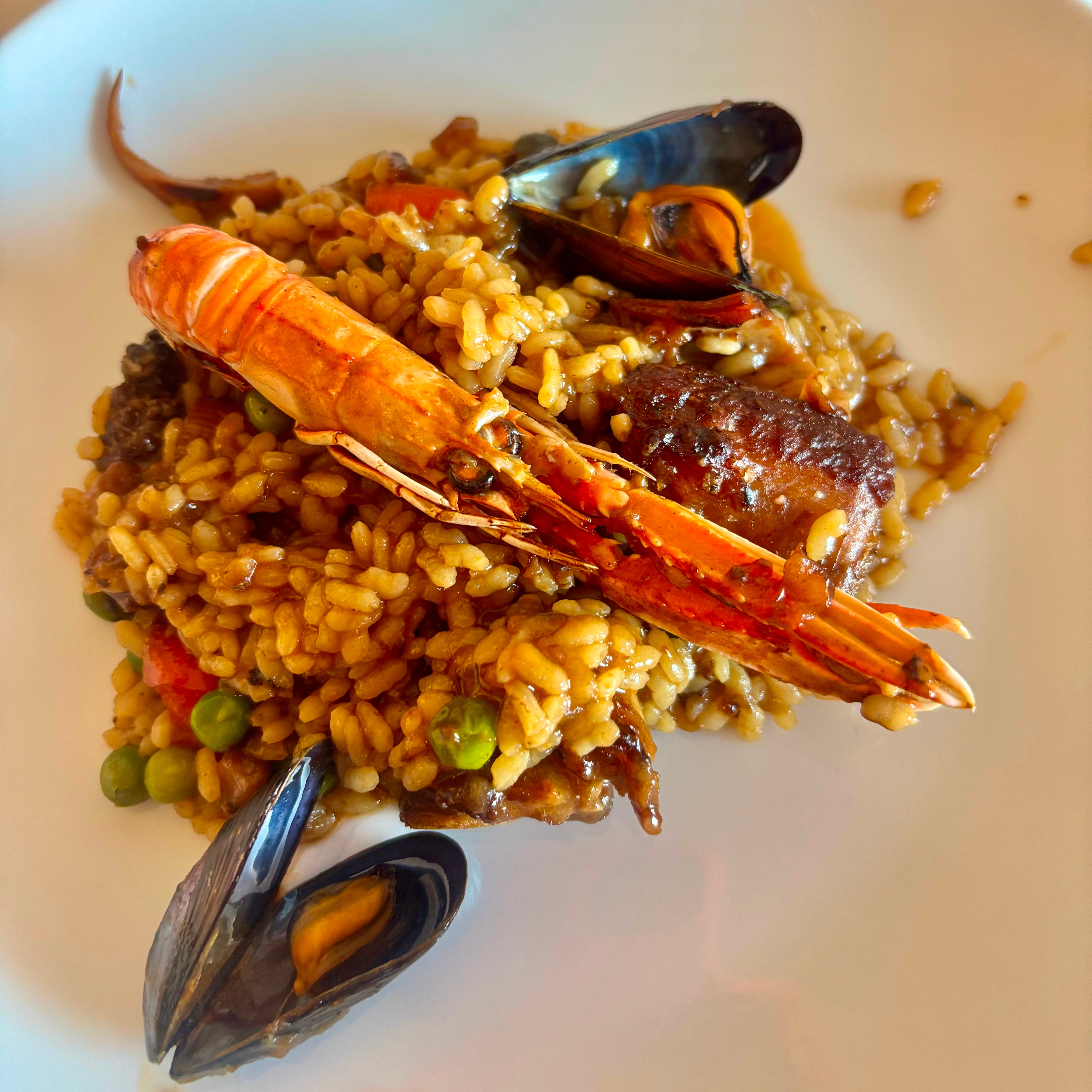
For dinner, grab a table at Restaurant Es Baluard for upscale paella, or El Viatge for Catalan tapas with a global twist overlooking the bay. Oh, and if you can visit JOIA just once during your visit, please tell us how you did it. This creative gelateria has so many wonderful flavours (Catalan black truffle, candied ginger) it’s impossible not to want to try them all.
In addition to Salvador Dali’s home and museum (remember to book both several days in advance), a hike along the Cap de Creus peninsula is a must, as is a visit to the medieval town of Besalu on the way back to Barcelona airport. It’s worth visiting just to stand on the 12th-century Romanesque bridge over the pretty Fluvià river.
On this day in 1804
In 1803, Thomas Jefferson – presumably schlepping about in Monticello in his comfy corduroy breeches – took one look at his recent impulse purchase (828,000-square-miles of land) and decided it was probably best if “someone else” went to find out what it contained.
On May 14, 1804, his Corps of Discovery – originally comprised of 45 men – set off from Camp Dubois in Illinois to begin their ascent of the Missouri River. It was the start of an epic, 8,000-mile expedition led by Meriwether Lewis and William Clark that would go down as one of the greatest overland journeys in history.
But as we all know, behind every great man (or in this case, group of men) is a woman quietly holding the entire thing together without proper pay. Enter Sacagawea – a teenage kidnap victim from the Shoshone tribe whose legacy and input have been debated for generations.
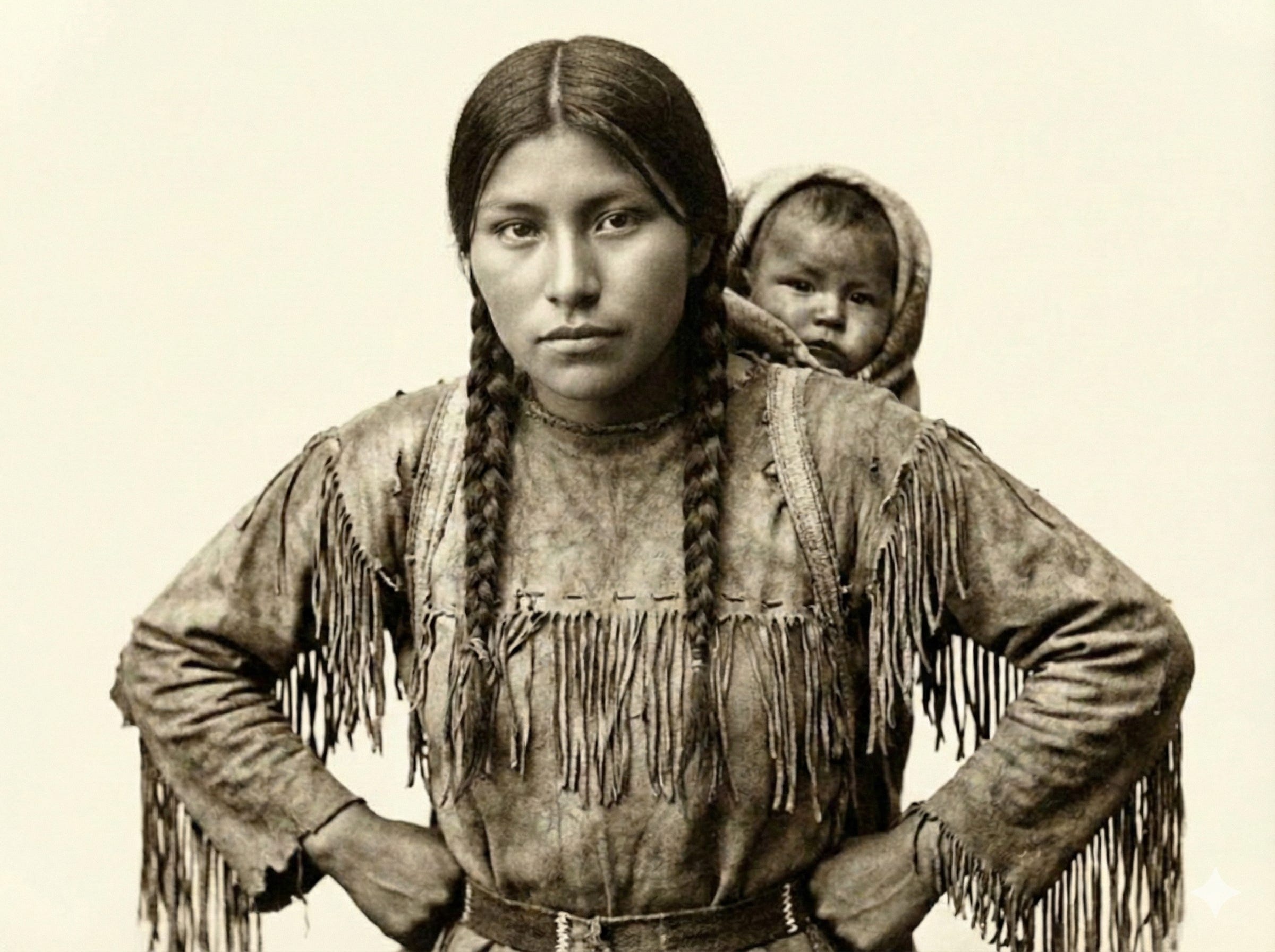
If you haven’t already, make sure you go back and listen to our episode on her, in which we attempt to debunk some of the myths and examine her role as a voyager and cultural pioneer navigating between two radically different worlds.
And if you’re as into this subject as we are, you may also want to check out the excellent new book by Craig Fehrman, This Vast Enterprise. Unlike other authors who have penned one-directional tomes on the expedition, Fehrman writes each chapter from the point of view of a different person involved in the story, including previously overlooked individuals such as York, an enslaved African American, and Black Buffalo, a Lakota leader who controlled trade along much of the Missouri.
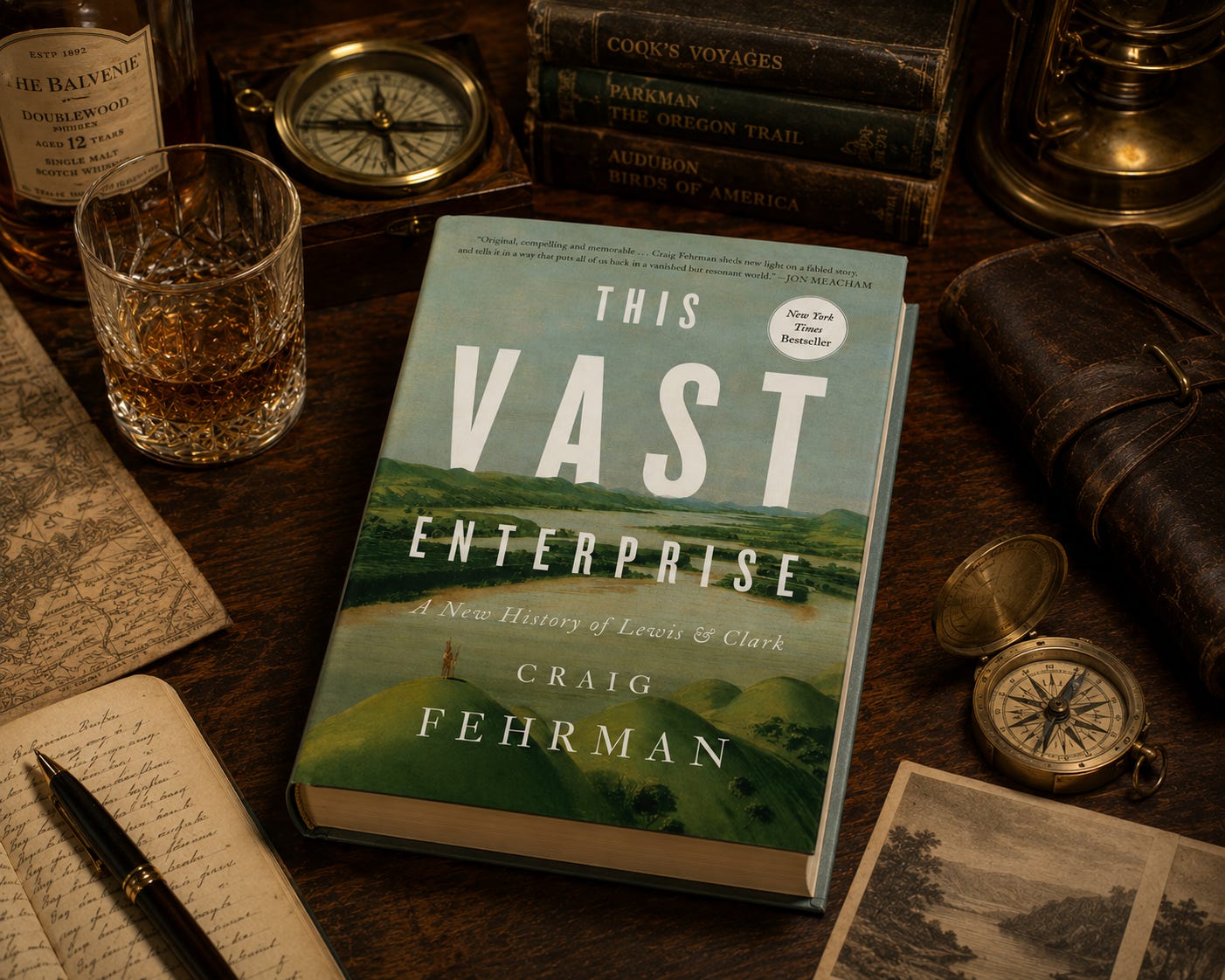
Happily, our gal Sacagawea gets two dedicated chapters, described by the New York Times’ Andrea Wulf as highly illuminating: “She emerges as a strong and courageous teenager who, despite her tragic past – kidnapped by the Hidatsa at the age of 12 and bought by a brutal French Canadian trader to be his ‘wife’ – exerted agency and played a vital role in the journey’s success.”
Play it again, Em
Finally, this week we’re re-releasing our Emily Hahn episode, which remains one of our favourites. If you’re new to our podcast or mailouts, there may be a few eps in our back catalogue you’ve missed. So while Jeremiah slogs away at his book and Sarah prepares for this year’s Podcast Show in London, we’ve decided to push this one back to the top of your feed for a second take.
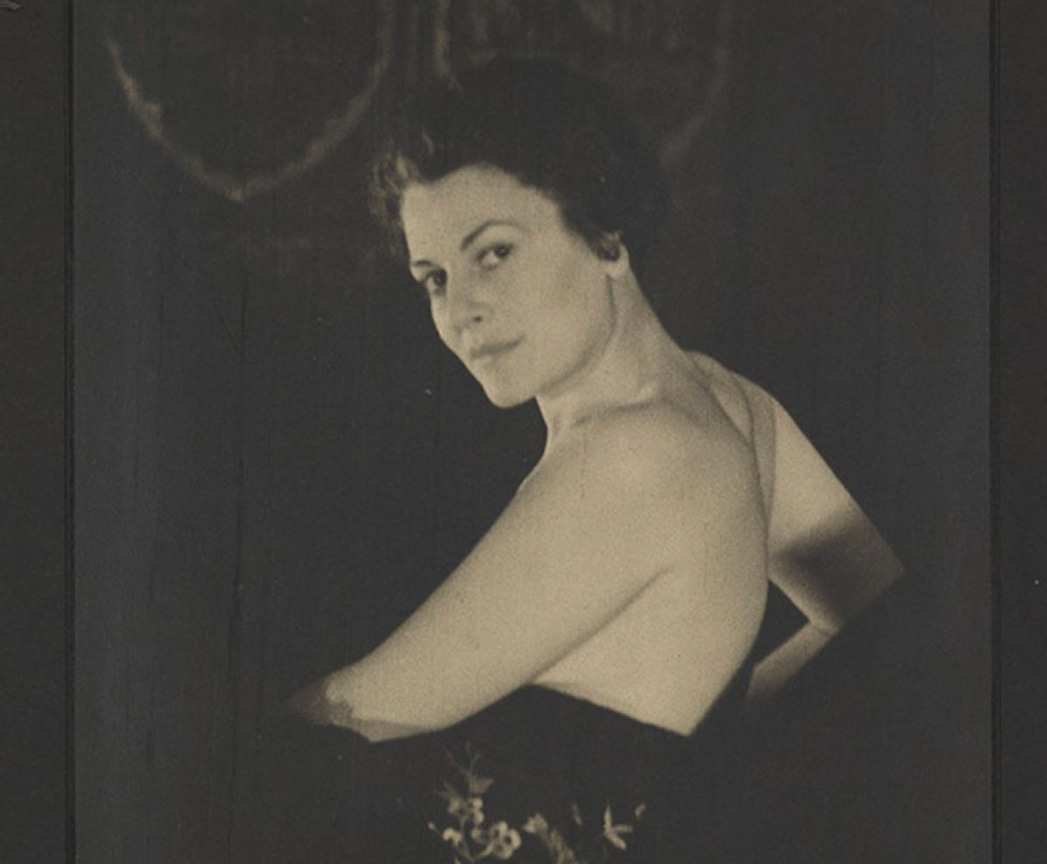
Few people have been more overlooked than Emily “Mickey” Hahn – a staff writer for The New Yorker for 60 years, opium addict, keeper of pet gibbons, and one of the most prolific travel writers of the 20th century.
She partied with poets and posed nude for property magnates in 1930s China, and stayed in Shanghai during the Japanese occupation when everyone else left. She wrote biographies while dodging bombs in wartime Chongqing, and she did her best to keep herself and her family alive in Japanese-occupied Hong Kong. What’s more, she pioneered the dry and direct first-person style later made famous by the likes of Hunter S. Thompson and Joan Didion.
In short, she’s an absolute hoot, and we loved spending time with her for this episode.
That’s all from your correspondents, who remain committed to exploring history whilst the present remains, frankly, a bit much.
Adiós, amigos.
**While still acknowledging that Dalí was so clearly a terrible human being.